
Flying West
How a Consulting Job Changed the Way I Work
Before I ever worked from hotel rooms, before I cared about lighting or desks or quiet, before I learned how to build systems that survive airports, I wasn’t a consultant. I had worked. A lot.
I spent more than twenty years in the sporting goods industry, building and running an e-commerce platform for a family business. It was real work with real consequences, but it was also one place, one company, one way of thinking.
After that, I spent about four years in agency life in Miami. That is where I learned how the business side of web development actually works: clients, budgets, timelines, expectations. Agencies teach you how to survive other people’s priorities. They teach you how to ship when things are not clean. They teach you how to talk about work, not just do it.
By the end of those four years, I knew I was ready to move on. I did not know exactly what was next. I just knew I could not stay where I was.
That is when one of the big consultancies called.
They had a project in California, at Oakley. They wanted me to fly from Miami to Los Angeles every other week and work on Oakley’s e-commerce site, redesigning the cart and checkout. On paper, it sounded exciting. In reality, it was terrifying.
I was not shy exactly, but I was not outgoing either. I had never worked inside a company like that. I had never traveled for work like that. And I had a family at home. Saying yes meant getting on a plane and leaving them every other week.
I almost didn’t do it.
The Fear Was Not Just About the Job
There was another layer to the decision. I had spent almost ten years after 9/11 refusing to get on planes. No logic. No math. Just fear.
Which is strange, because as a kid I traveled constantly. Flying was not new to me. Fear was.
So this job did not just ask me to change careers. It asked me to face something I had been avoiding for a decade. And I said yes.
That decision changed everything.
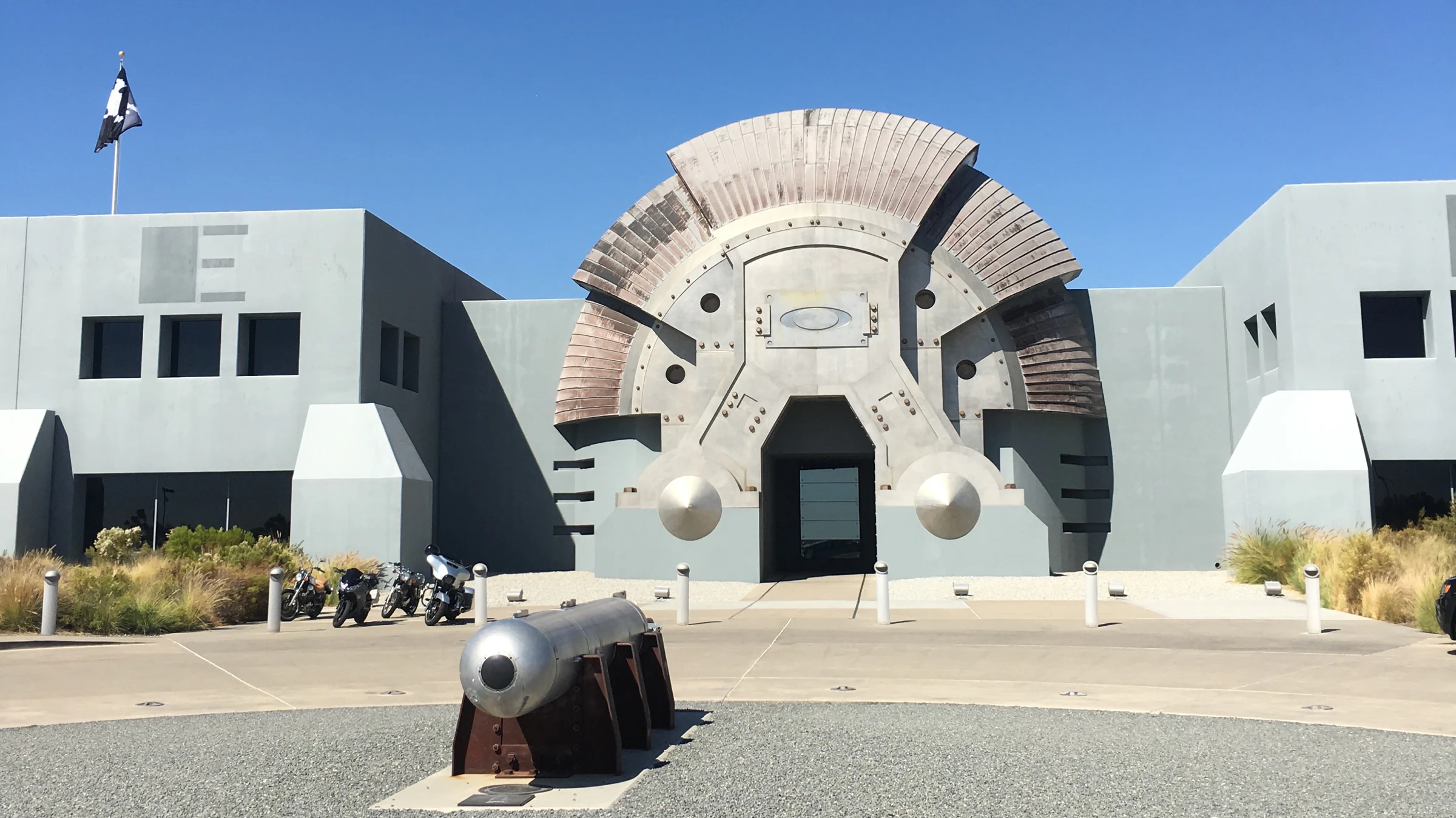
Oakley Headquarters 2016
My First Week at Oakley
Oakley was unreal. The building was impressive. The city felt different from anything I knew. The people were everywhere.
What surprised me most was not the scale, but how quickly I was pulled in. I was thrown into the mix almost immediately — meetings, design discussions, architecture conversations. Real decisions, right away. There was no long ramp-up period. I had to perform.
That taught me something I had not learned before: how to work with people, not just systems.
Teams were always changing. New people showed up almost weekly. Different groups rotated in and out every couple of months. It forced me to learn how to integrate fast, earn trust quickly, and explain things clearly to people who had not been there for the last conversation.
It completely changed how I saw work. It was not just about code anymore. It was about motion.
Every Other Week, Coast to Coast
For about two and a half years, my life ran on a rhythm. I would leave Miami at 6 a.m. Monday morning, land in Los Angeles around 10:30 a.m., then drive about an hour down to Orange County.
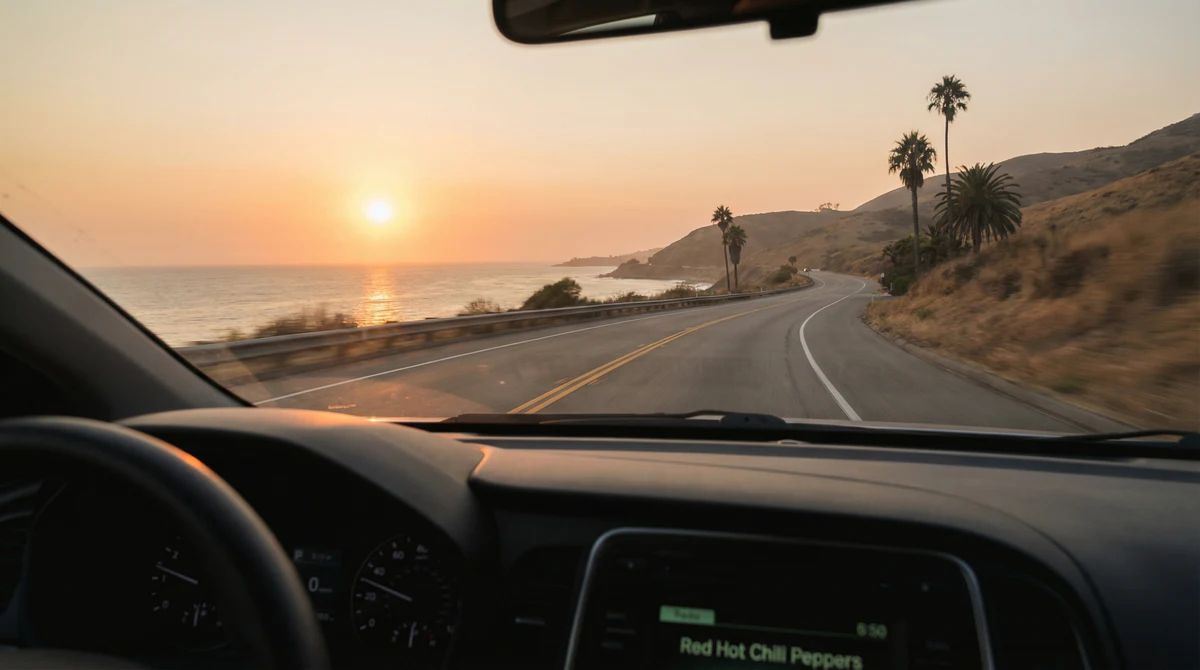
I always took the beach route on purpose. I wanted to see the Pacific. I wanted to feel like I had actually gone somewhere.
California felt different than Florida. Different light. Different pace. Different energy.
I worked long days. Ten hours was not unusual.

A California Sunset I captured drinking a chocolate shake at a beachside diner in 2016
When Thursday came, I would drive back up to LAX that afternoon. That drive mattered. Thursday afternoons became something I looked forward to — heading up the coast, watching the sun set over the Pacific, grabbing food, and sitting with the week before flying home.
Sometimes I took a red-eye. Sometimes I flew home on Friday morning. Either way, by Friday I was back in South Florida. Tired, but proud.
I couldn’t believe someone was paying me to fly across the country to write code.
Pride, Excitement, and the Cost
I was proud of what we built at Oakley. Proud that I could walk into a place like that and actually contribute. Proud that the work mattered.
I was excited too — excited to be trusted, excited to be somewhere completely different, excited to feel like I had stepped into a bigger version of my career.
But I missed my family. That never went away.
Both things were true at the same time.
Sometimes they came with me. We traveled together and saw places we never would have otherwise. I spent so much time there that I was ready to move.
That job did not just grow my career. It expanded my world.
And It Did Not Stop There
After Oakley, I went to Scottsdale to work for a tire retailer based there. Same rhythm. Fly every other week. Another two and a half years of travel.
From there, the map kept growing. I traveled to Nashville to work with Bridgestone. I worked in Connecticut. I traveled to Japan multiple times.
All of it for consulting. All of it for work.
By then, travel was not strange anymore. It was just how I worked.
Why I Still Go to Hotels
What is funny is that now, I do not even need to go far. I will book a hotel locally just because I work better there.
My wife gets mad at me sometimes because we will go away for a weekend and all I want to do is sit, talk about ideas, read, and work on my laptop. Not because I am trying to escape, but because hotels calm me down.
They keep me grounded. They strip away just enough noise that I can think.
That started with those trips to California. That rhythm shaped me. Hotels became places where work made sense.
That Was the Start
Before Oakley, I was a developer. After Oakley, I was a consultant.
That first flight turned into a decade of them — chasing bigger brands, bigger checkouts, and bigger stakes. I now work inside systems that move millions of people and transactions every year. None of it happens if I do not say yes to that first call.
I wrote this post inside BlackOps, my content operating system for thinking, drafting, and refining ideas — with AI assistance.
If you want the behind-the-scenes updates and weekly insights, subscribe to the newsletter.
Related Posts
What Sunday Nights Have Been Telling Me
What Sunday Nights Have Been Telling Me
Why Travel Unlocks My Best Ideas
Discover why travel, hotels and movement spark my most creative ideas, boost deep work, and strip away fake productivity so real focus finally shows up
Everything Important I Built This Year Started Away From My Desk
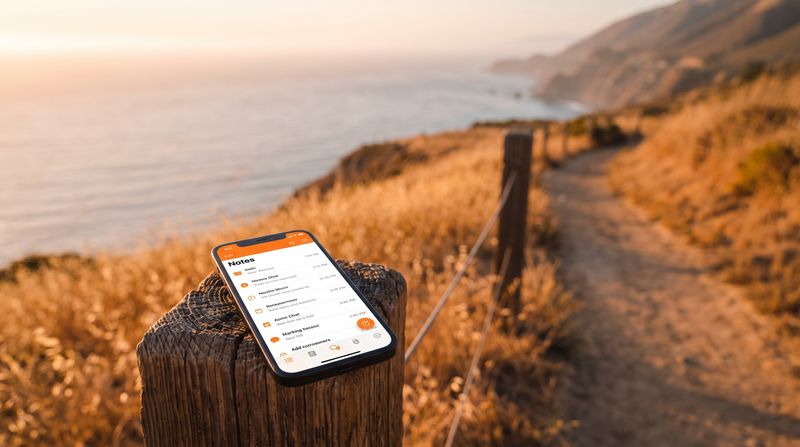
VoiceCommit started on a hiking trail. BlackOps features get kicked off from hotel rooms. Spotter's biggest weekend began with an email read on vacation. One year of the same pattern, with receipts.